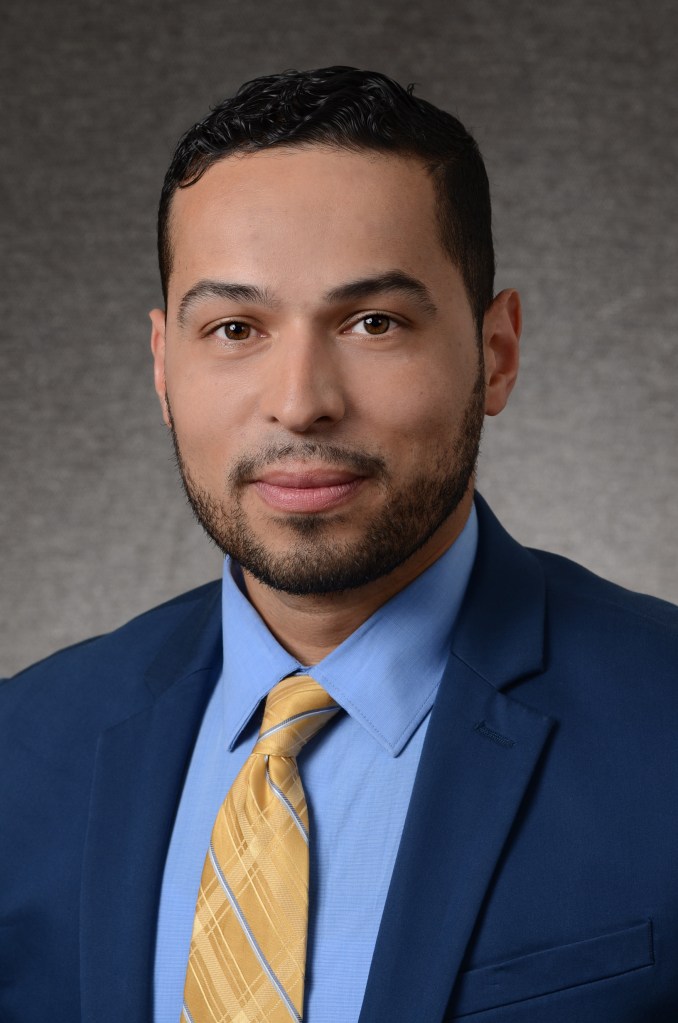
I am a clinical neuropsychologist and researcher focused on advancing brain health equity in culturally and linguistically diverse communities, with a particular emphasis on aging and Alzheimer’s disease.
My work sits at the intersection of clinical neuropsychology, cultural neuroscience, and community-engaged research. I study how culture, language, and lived experience shape cognitive assessment and diagnosis, and I work to develop more equitable, culturally responsive approaches to evaluating brain health in older adults.
I direct the Collaborative on Aging Research and Multicultural Assessment (CARMA) at the University of Houston and am the principal investigator of the NIH-funded Engaging Communities of Hispanics/Latinos for Aging Research (ECHAR) Network.
Why my work matters
Neurodegenerative diseases like Alzheimer’s disease disproportionately affect historically underserved communities, yet the tools we use to assess cognitive functioning are often not designed with these populations in mind. This disconnect can contribute to misdiagnosis, delayed care, and widening health disparities.
My research addresses this gap by partnering with communities, clinicians, and interdisciplinary scientists to improve how we understand and assess cognitive aging across diverse populations—particularly among Hispanic/Latino older adults.
Training and background
I received my doctoral training in clinical psychology with specialization in neuropsychology and completed advanced clinical and research training focused on aging and neurodegenerative disease. My academic and clinical work has been supported by state and national funding mechanisms, and I currently lead and collaborate on research initiatives centered on Alzheimer’s disease, cognitive aging, and health equity.
In parallel with my research, I maintain clinical involvement in neuropsychological assessment, particularly with uninsured and underinsured individuals, which grounds my work in real-world clinical and community needs.
Approach and values
A core principle of my work is that meaningful science must be done with communities, not merely about them. I prioritize community-engaged research models that center cultural context, language, and trust, and that recognize community members as partners in the research process.
Across my clinical, research, and training roles, I am committed to mentoring future scientists and clinicians, building interdisciplinary collaborations, and translating research findings into practices that improve access and quality of care.
Outside of work
Outside of my professional roles, I value travel, connection, and lifelong learning—interests that continue to shape how I think about culture, identity, and aging across the lifespan.
Born in Caguas, Puerto Rico, raised in Waterbury, Connecticut, trained in Los Angeles and San Diego, California as well as in Denver, Colorado , I now call Houston, Texas home.
 Luis D. Medina, PhD